

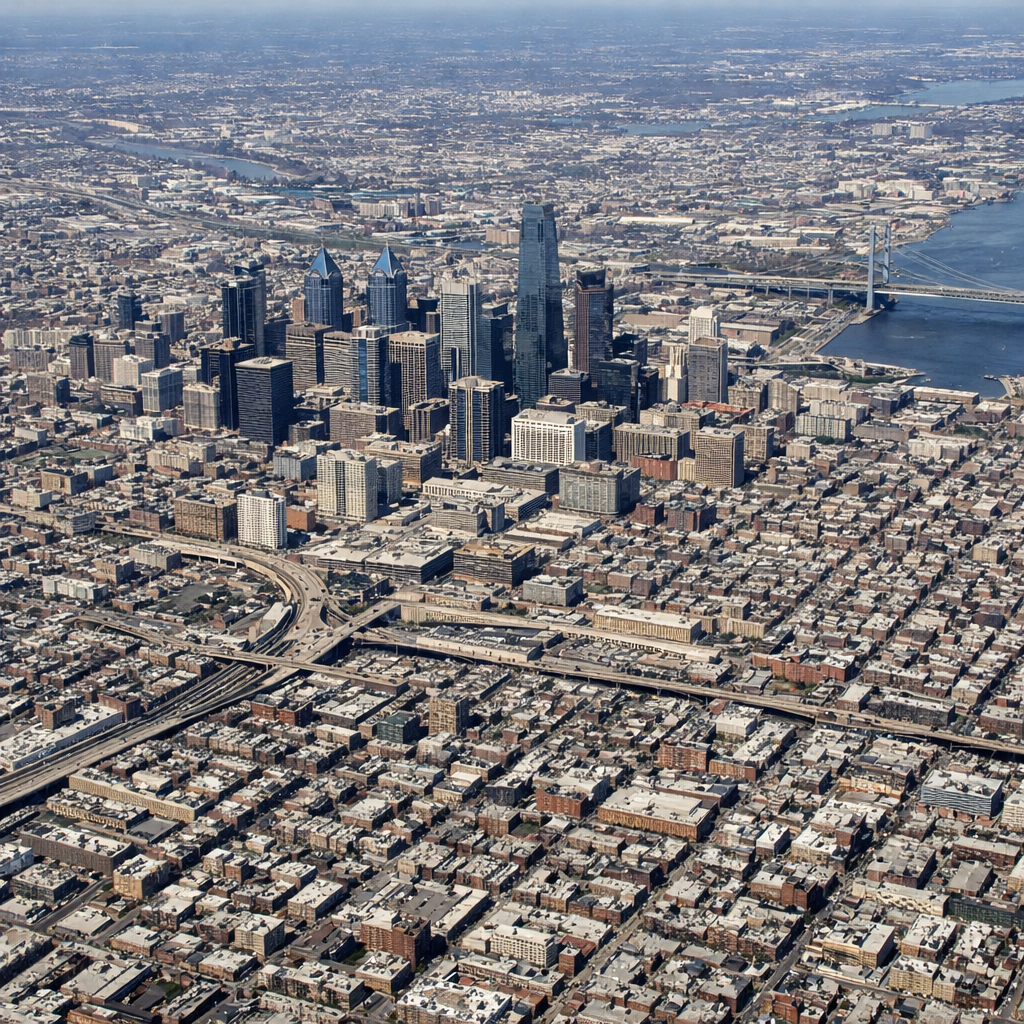
Philadelphia’s urban landscape significantly influences local temperatures, a phenomenon known as the Urban Heat Island (UHI) effect. This effect results in urban areas experiencing higher temperatures than their rural counterparts, primarily due to human-made structures and activities.
What Causes the Urban Heat Island Effect?
The UHI effect arises from several factors:
- Absorption of Heat by Infrastructure: Materials like asphalt and concrete absorb and retain heat, leading to elevated temperatures in urban settings.
- Limited Vegetation: Sparse tree cover and green spaces reduce natural cooling through shade and evapotranspiration.
- Human Activities: Energy consumption from vehicles, air conditioning, and industrial processes releases additional heat into the environment.
In Philadelphia, certain neighborhoods can be up to 22°F hotter than others due to these factors. Areas with dense infrastructure and minimal greenery, such as parts of North, West, and South Philadelphia, are particularly affected. Conversely, regions near rivers and large parks tend to be cooler. [Source]
Impacts on the Community
The UHI effect has several implications:
- Health Risks: Increased temperatures can lead to heat-related illnesses, especially among vulnerable populations like the elderly and those with pre-existing health conditions.
- Energy Consumption: Higher temperatures result in increased use of air conditioning, leading to higher energy bills and greater greenhouse gas emissions.
- Environmental Concerns: Elevated temperatures can exacerbate air pollution and negatively impact local ecosystems.
Mitigation Strategies
Addressing the UHI effect requires a multifaceted approach:
- Enhancing Green Spaces: Planting trees and creating parks can provide shade and cool the air through evapotranspiration. Initiatives like Philadelphia’s “Beat the Heat” campaign focus on increasing tree cover in vulnerable neighborhoods. [Source]
- Implementing Cool Roofs and Pavements: Using reflective materials for roofs and pavements can reduce heat absorption. For instance, the city has experimented with cool paving materials in areas like Hunting Park to lower surface temperatures. [Source]
- Urban Planning: Designing buildings and streets to maximize airflow and incorporating green infrastructure can help mitigate heat buildup.
Community involvement is crucial in these efforts. Residents can participate by planting trees, advocating for green spaces, and supporting policies aimed at reducing urban heat.
Understanding and addressing the Urban Heat Island effect is essential for enhancing the quality of life in Philadelphia. Through combined efforts, the city can work towards a cooler, healthier environment for all its residents.